The Earth As My Home (1 – 2)
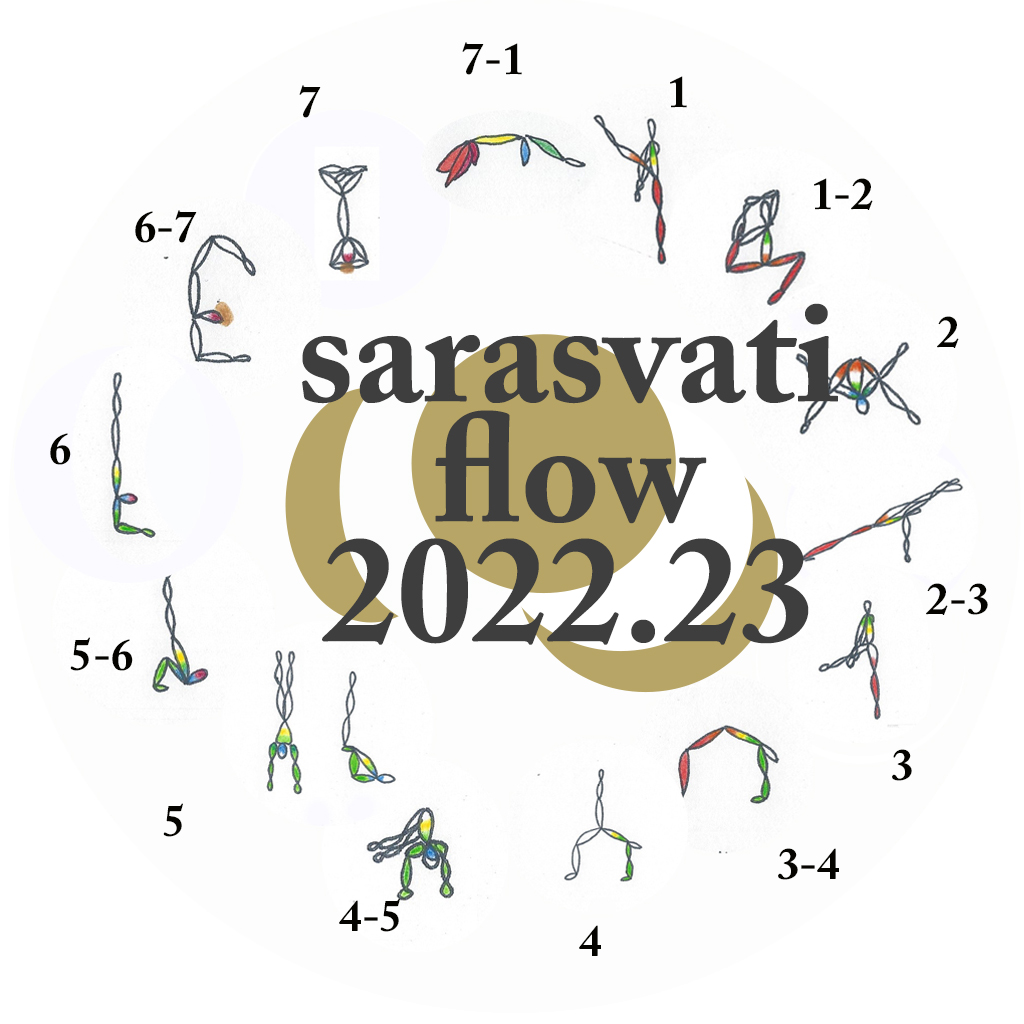
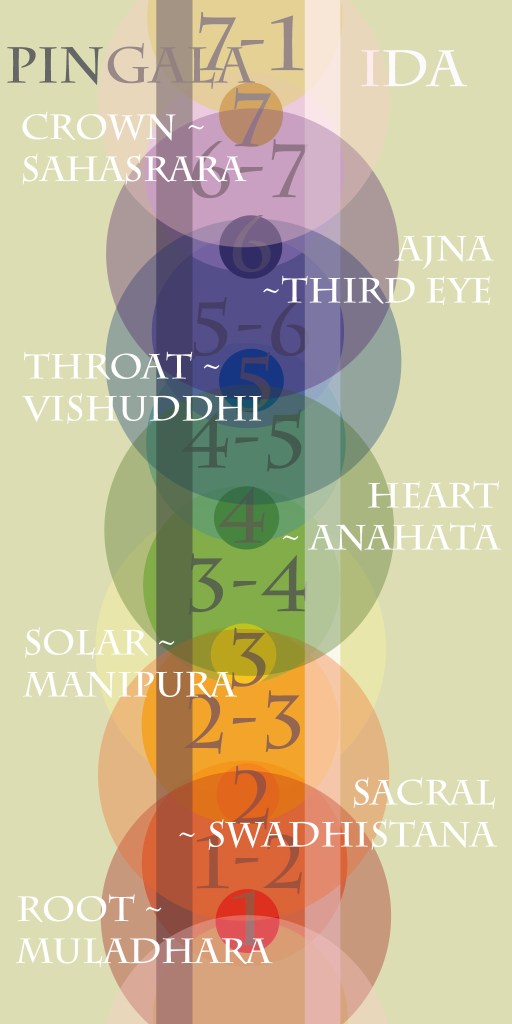
Last moon, we focussed purely o n the root chakra at the base of the spine with peak pose Bird of Paradise. As we move up the sushumna, away from the the root chakra, towards the sacral chakara, we arrive at the intersection between the two chakras: Root and sacral, earth and water, self and other. From focussing on getting to know the self during the last moon cycle, when we were working on the root chakra, as we move up towards the sacral chakra we begin to look to the idea of the Other.
The second chakra, said to be connected with the water element is associated with creativity and partnerships, physically located next to our sexual organs it is symbolically in line with this meaning. From the stable, solid, unmoving earth of the changeless Self, we now contemplate fluid, changing, curious water that seeks to come into relationship with the Other.
I have come to see the earth element mnaifesting in two ways. There is earth as in the solid, gross matter that you can touch and see, and then there is ethereal earth, where the ether body becomes heavy. Yoga is all about leanring to watch the ether body, the unseen element, but I am curious to know more about earth in its gross form too. It is so unlike us in our mind form, even though we are made of it.
The two most gross elements in combination make for a muddy, soup like substance; volcanic lava, a silty riverbed, leavs, bark, flesh, blood and muscle all remind me of this combination. The human body is solid, but filled with liquid. Overall the body is 60% water, even the bones contain water (31%). Without earth there would be no structure, and without water there would be no movement. In order to know the other, we must first know ourselves and this lesson ‘Kiss the earth’ invites the student to study that moment of moving out of the self to come into relationship with another. It doesnt have to be another human, it could be an animal or plant friend, it could even be as simple as a step on the earth. What can be seen in that moment? Is it that what is internal becomes external, our heart and lungs move to say ‘Hello’; and what is external becomes internal, ‘I see you, I smell you, I touch you’? The Self, present in all beings, even the earth, is expressed in that moment of connection.
We can imagine the big Self and the small self (note the big ‘S’ and the little ‘s’) coming together just like earth and water coming together. When small self, identified as the ego, separates from the big Self, the place of universal consciousness, the atman emerges from the paramatman, and signifies the original moment of creation. As the soul, the atman, becomes human, it separates from the paramatman, becoming encased in the ego. Imagining them like earth and water you can identify the experience in meditation. Sometimes thoughts lap at the shore of peace and tranquility, reaching out to greet us, sometimes they crash like a wave, clamouring for attention, the earth holds them all, unmoving, steady and stable .
To Kiss the Earth is not a new idea in yoga. The Buddhists teach it as a way of imbuing mindfulness in their students. ‘Move gently, with love, if you can’, it is saying. Love the earth, your home. In the song of the same name, Ajeet sings ‘Let’s kiss this earth we walk upon with our steps’ epitomising the idea of moving gently in self awareness. It is about cultivating an attitude of care and attention in every step. If we want to be enlightened, we want to create a loving connection to earth, which means walking lightly and kindly on it .
What we find in yoga is that a lot of students find it hard to ground and connect with their root chakra. Indeed the sun saluation and standing poses are designed to ground the students and to increase their awareness of their legs. But the reason students find it hard to ground is manyfold. Some might have issues relating to family, work or their home, others might be more in touch with their ether body, others more intouch with their minds, others mihgt have no connection to the earth as in nature. Persoanlly, I have come up against all these reasons over the years for feeling ungrounded. And the more I know myself, the more I know that each day is diferent. But there are overarching themes that typify periods of my life. The way I spend my time, the people that I meet, all of these things influence how I am feeling in my body.
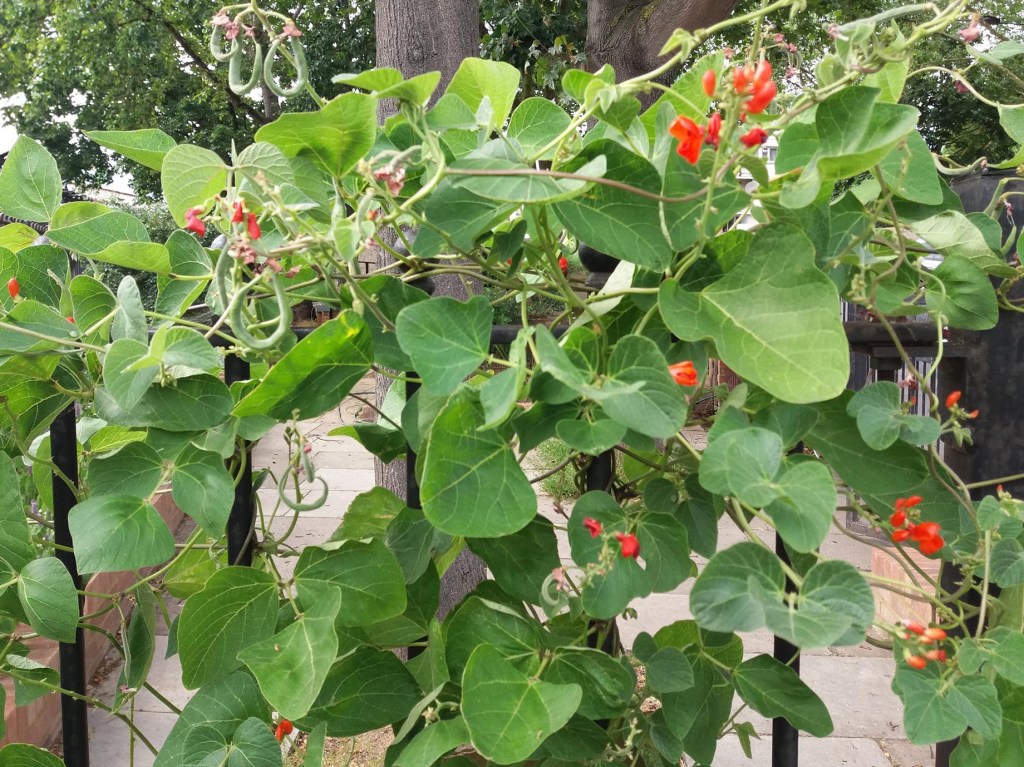
One of the things I am missing most at the moment is a close connection to the earth. I don’t have my own garden and getting my hands dorty is one thing that I really crave. Soil is said to be a natural anti depressant thanks to a certain friendly bacteria that promotes serotonin production. Showthe earth some love and it knows just how to show some back! One of my happier memeories is going to practice yoga after volunteering in a garden. My mind was full of bean plants, and as I sat up tall, I saw the green ends of the bean plant curling up and around me. My mind’s eye was full of the curling tendrils and the lotus shaped leaves that somehow seemed self similar to my uneven body. Plants are beautiful, delicate beings that mimic humans in their simplicity. Earth (root chakra) meets water (sacral chakra), the plant grows out of the ground, just like humans, reaching for the light of the sun (solar chakra) as it rises in the morning.
Working to connect with the earth as your home is something you can do in your body on the yoga mat, but for your spirit to feel the healing power of the earth, you must go out and meet it. Leanring to walk lightly on the earth is up to each of us, it is our karma yoga,or our yoga of service. Jupiter is now in Taurus, an earth sign and also symbolic of tilling the land, it is the sign of farming. There has never been a better time to connect with the earth. Now is the time to volunteer at your local gardening group, get on the waiting lit for that elusive allotment, tend to the outdoor spaces around your home, aquire some houseplants or even buy a piece of land. If we don’t love the earth, it cannot love us back. And in reaching out to the earth around us we might just learn about ourselves too.



 Sarasvati Flow