
No Light Ecology searches for the darkness in our light filled efforts to save the world’s ecology. One of the key points is sacrifice. Solutions to climate change, and the biodiversity crisis, are not always in keeping with our modern expectations of cleanliness. Some of the kindest products are in fact a bit icky! I have a wooden soap dish, it is a little difficult to clean entirely, and it is starting to go black around the bottom, but it holds my soap out of the water, so I can easily wash my hands with it. My housemate asked me if I wanted to share her holder as mine looked mouldy. I felt crushed. The trouble is, her holder is made out of some form of plastic; it will shed microplastic every time she uses it. What should I do? Ditch the wooden dish, or persevere until it has degraded beyond use? I think I will buy a ceramic one next time.
The things that we consume, which have the lowest impact, are often things that biodegrade. Things that are impermanent, that do not last for centuries, but instead months or years, are the gentlest to the earth. Let’s take another example: my hemp and rubber yoga mat. It is wearing out quicker than a plastic based foam mat, but it sheds organic matter that will not harm the environment, wherever it ends up. Particles can be hoovered up and end up in landfill, or blown out into nature, into waterways and gardens. I would much rather have a yoga mat that lasts for five or ten years, and then disintegrates into harmless particles, than one that lasts forever and has to be landfilled.
In our modern culture we have been spoilt to the point that we expect everthing to appear perfectly clean. ‘High quality’ goods are associated with sleek, polished surfaces that are often the product of oil based plastics. Good for the short term, say a decade, and then a complete nightmare to dispose of: plastics last for centuries. And when they break down, the particles they release poison animals’ water sources and habitats. The oceans have been filled with plastic rubbish, and also millions of microplastics, which the human eye cannot see. Microplastics come from all oil based plastics, which shed fibres when they are washed, or come into contact with water in some other way.
Slowly, manufacturers are starting to cotton on to what is needed. Wooden spectacles, wooden watches, even wooden technology have made it onto the market. I was excited to discover a wooden toothbrush. Unfortunately, after a few weeks, it started to go black at the handle end. As the upper part was untouched, I continued to use it, but I could imagine that it would put off less accepting customers. We have become so fussy that we are terrified of imperfections. If something starts to biodegrade, we panic and bin it.
Yet another example of things getting a bit icky is composting kitchen waste. When the weather gets warm, fruit flies can make their home in the waste. The trick is to empty the kitchen bin to an outdoor food waste bin every other day, and keep the lid clipped on. I am so enthused to be saving rubbish from landfill that I do not mind a few small flies, but not everyone is the same. There is a disconnect between consuming products, and looking after earth. The more something decays naturally, the less the impact will be on the earth.
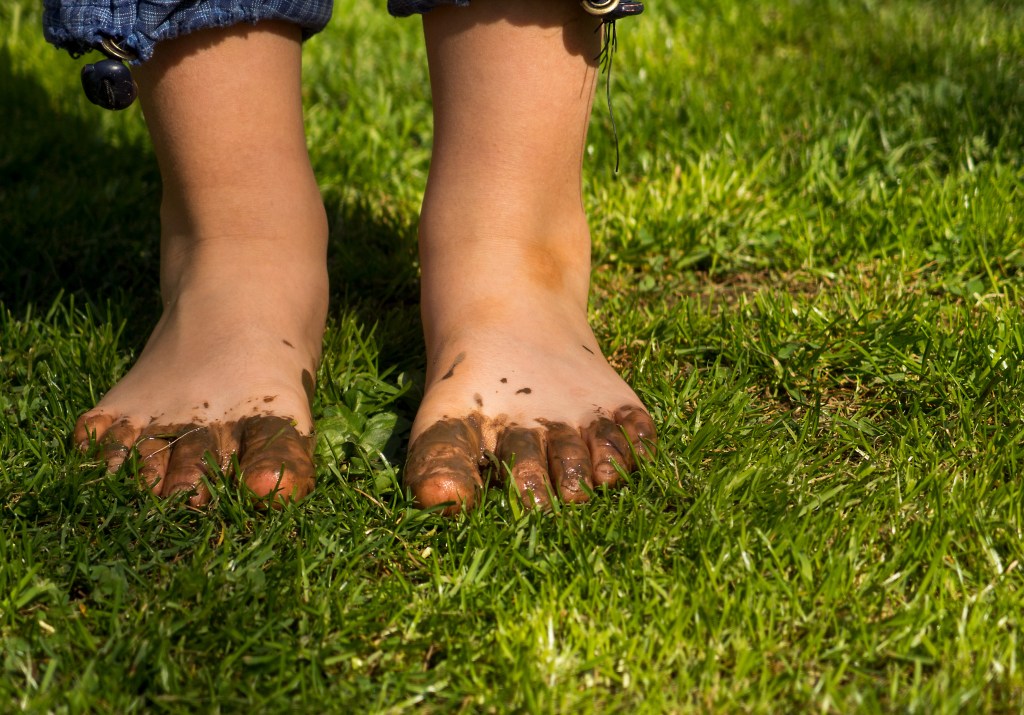
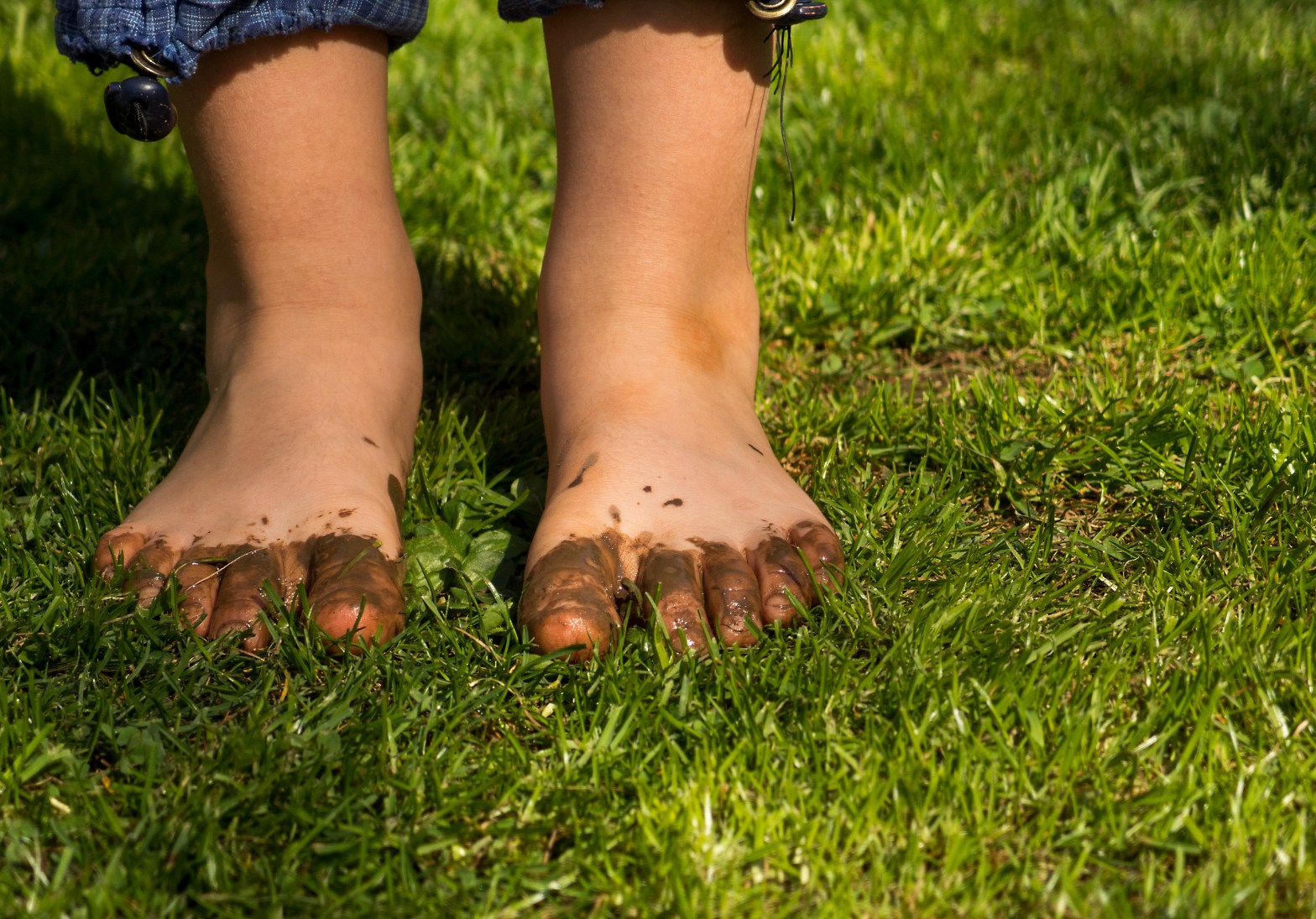
The latest trend for forest bathing, where you go out in nature and practice mindfulness under the trees, is one example of how connecting with nature can positively impact wellbeing. The chemical compounds found in soil are said to reduce depression. Not only that, but unwashed vegetables contain the elusive vitamin B12; the soil is where cows get it from. Walking or dancing naked in the forest exposes the skin to healthy bacteria usually stored in the soil, and plant particles drifting through the air. Getting your hands dirty doing some gardening is another way to absorb nature’s mucky gifts.
Many people live under a vaneer of cleanliness. They are so hyper clean in some ways that they have forgotten the simplicity of nature, and its therapeutic muddiness. Whiter than white many people scorn dirt like it is the devil. They prefer to use harsh cleaning chemicals on their clothes, homes and bodies to create a pungent chemical cocktail. In many ways, it is understandable. Cleanliness, or ‘saucha’ in Sanskrit features as one of the observances of yoga: being clean helps to achieve a state of yoga. But just like industrial food, industrial cleaning products slowly poison us and the environment. The scents coming off scented shower gels and fabric softeners are enough to take your nose hairs off. When I was a child, I was embarassed that I did not have such whiffy clothes; my sister had sensitive skin so it was all non bio laundry powder and simple soaps. Now that I am a grown up, I can smell the harshness of the chemical products I once envied, and choose more natural, eco friendly options instead.
Wonky vegetables have been rejected by supermarkets and consumers for appearing ugly. Customers are unwilling to pay for carrots with two sticks, or potatoes with extra bulges. This food goes to waste. Organic food may also suffer more disease, and patches of blight remain on some products, which also go to waste. Modern living in the developed world has eroded our ability to compromise. People are scared to engage with any products that could be considered below par. There is a an expectation that everything is pristine, and anything that is not, is headed for the bin.
Unfortunately, nature itself has been shown the door as our brilliant white lives pollute and destroy the natural world. People who engage more eco friendly options are looked down upon as less clean, and less perfect. We prefer to live amongst the smog of cars, the hum of machines, the invisible beams of mobile and wifi signals, but we shun a bit of dirt on our vegetables, or an unperfumed soap.
To many people, a plastic bottle filled with detergent signifies a source of cleanliness, but the bottle itself is a source of pollution. In our efforts to clean ourselves and our houses, we have poisoned the earth. Carbon dioxide was released when the bottle was made out of oil, and microplastics are released into the waterways every time we use it. Refill shops help reduce the amount of plastic that is used. The same bottles can last for years.
When I lived in Uganda, I was impressed with how clean things were. But of course that cleanliness came from plastic bottles of bleach and bathroom cleaner. When I visited Thailand, the bathrooms were full of toothpaste and mouthwash. All good modern stuff, on the one hand. But on the other, it shows how the message about harsh cleaning products has reached just a slither of the market. Strong chemicals are being produced and packaged on a global scale. The idea that we need to compromise our cleaning and personal hygiene products to reduce the impact that they have on the environment is entirely peripheral.
How do we make a shift towards doing things a bit more icky? Can we undo the cultural binds, the fear of not fitting in, the almost obsessive drive to keep things clean? I am not saying that we stop cleaning, but is there a balance to be made, between cleaning, so that things are spic and span, and respecting nature’s way?
For most situations, where things get a bit icky, a solution can be found that meets both the environmental and functional requirements: a ceramic soap dish, a clip on lid for the compost bin, organic soap and detergents. With a little thought it is possible to overcome the initial ick factor. But there are other examples, like wonky veg and hemp yoga mats, that cannot be compromised; they will be ‘flawed’ forever, and we have to work around it.
The ick factor probably gets in the way of more ecological produce being consumed than any other obstacle. Uncertainty about whether gentler cleaning products really get things clean, will naturally made products last? linger at the back of our minds. No Light Ecology says embrace the uncertainty, commit to trial and error, do your best to weigh up the pros and cons of different products, and invest in the cleanliness of the planet, as much as your home and body. Most of all, don’t be afraid of a little dirt. If things get a bit icky, try a different solution next time, or compromise with what you already have. Just because something biodegrades, does not mean you should throw it out. Do not take unnecessary risks, but at the same time, practice noticing when you are reacting from a place of ‘eew it’s all icky’, and develop a broader tolerance for a wholesome bit of ick.